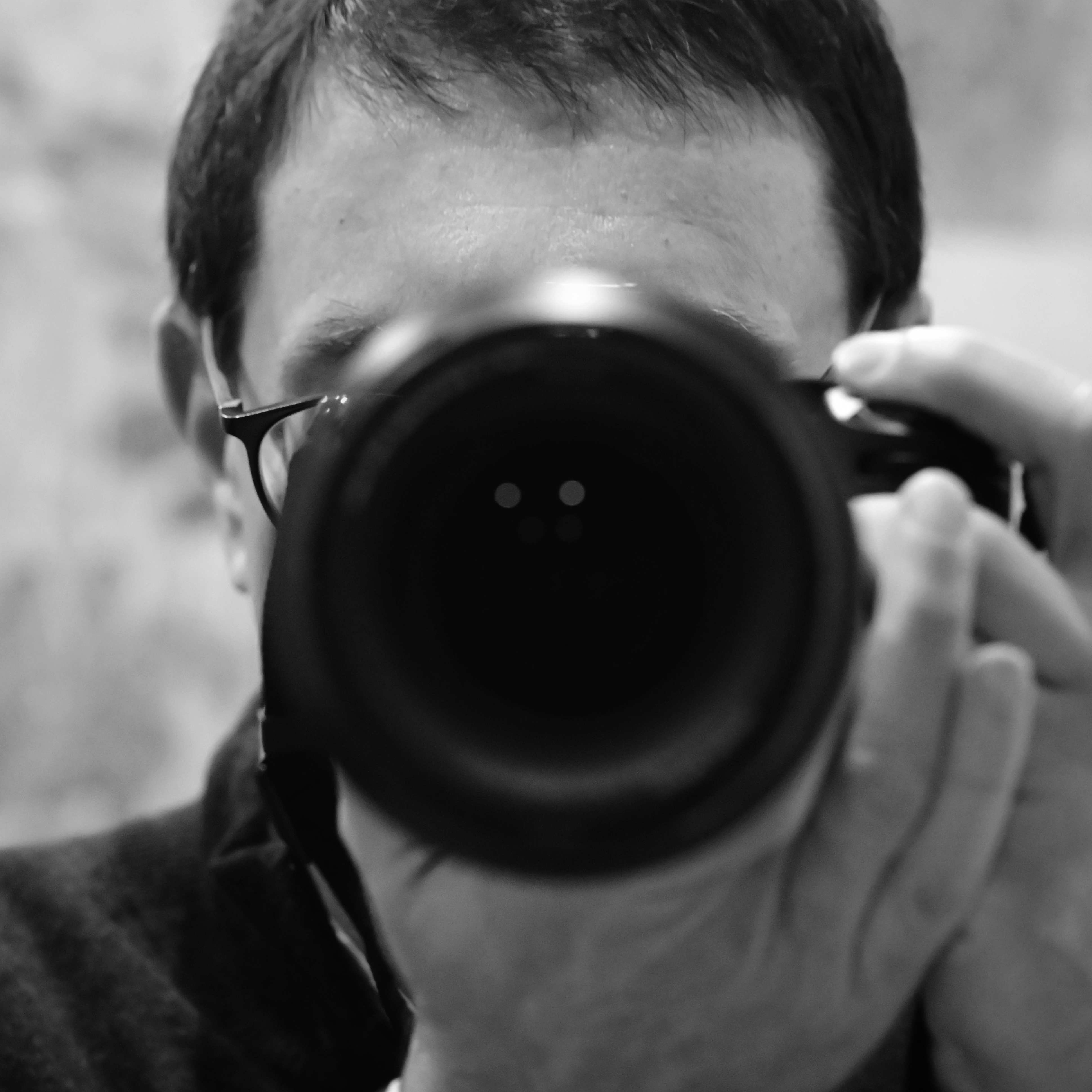
In this assay, the French philosopher leads us in a journey through images by great photographers such as Lewis Hines and Walker Evans, as well as through concepts elaborated by theorists such as Roland Barthes and Walter Benjamin, to reach a surprising conclusion about the nature of photography. In his own words: “Photography […] is an art capable of enabling non-art to accomplish art by dispossessing it. But it is also such through its participation in the construction of a sensible environment which extends beyond its own specificity.”
Behind this arduous language lies, in my understanding, the idea that the specificity of photography as an art is not its supposed “objectivity”, which is an ingenuous way of thinking of the photographic process; nor is the famous barthesian “punctum”, whose subjectivity would reduce photographs to an occasion for provoking inexplicable internal emotions without any link with the external reality. Rather, the specificity of photography consists of its ability to transform in art something that was not created with this intention and purpose. In other words, the photographers’ artistic process consists of associating meanings to otherwise meaningless representations, or of subverting commonly associated meanings so to reveal the unsaid and the removed from consciousness. The way photography operates is by putting images in a context of significance in symbolic relations with other images and concepts, creating a world of symbols as an alternative and a critique to the established one.
I think many photographers may find something of their own creative process in this theoretical framework. For sure, I did about my photographic practice. So, I advice reading this interesting, though dense and sometimes difficult, theoretical essay on photography.
 Luminis Imago
Leave a comment